
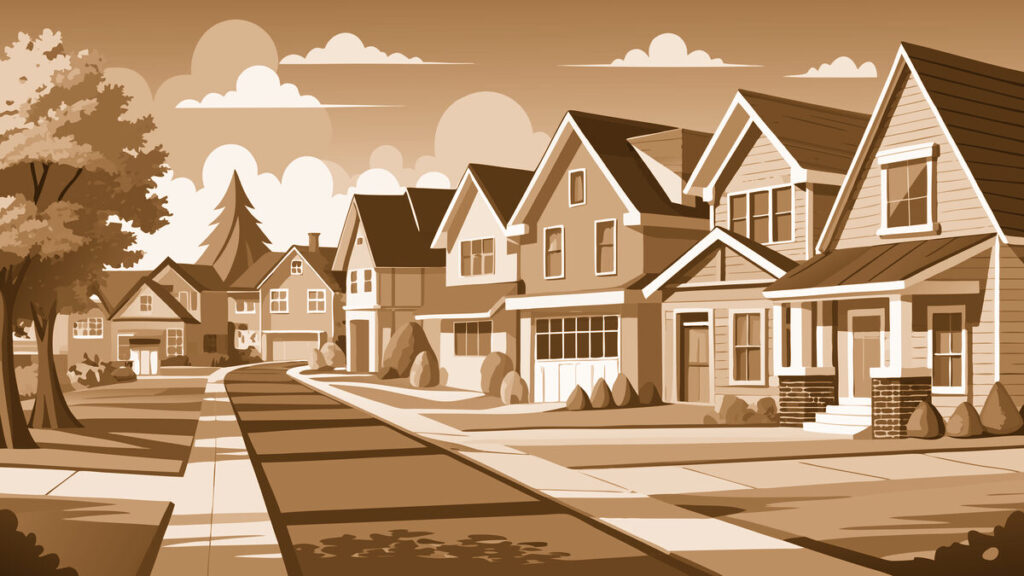
Discovering Stonegate: Rochester’s Quiet Treasure
Nestled in the southwestern quadrant of Rochester, Minnesota, the Stonegate neighborhood exudes a classic charm and a sense of close-knit community that has endured for decades. For longtime residents and newcomers alike, Stonegate is more than just a place to call home—it’s a neighborhood defined by its history, beautiful tree-lined streets, and a heritage that traces back to Rochester’s optimistic years of postwar growth. Let's take a stroll through Stonegate’s origins, notable milestones, and the unique qualities that have cemented its place in the heart of Rochester.
Origins of the Stonegate Neighborhood
Stonegate’s beginnings can be traced back to the 1950s and 1960s, a period when Rochester was rapidly expanding. The need for new housing surged alongside the growth of the Mayo Clinic and IBM, and developers turned farmland southwest of downtown into suburban neighborhoods.
Stonegate’s name is rooted in its picturesque entryways and the natural limestone walls that first greeted visitors at the main intersection of Stonegate Drive SW and 18th Avenue SW. Local builders wanted the name to reflect both the local limestone bluffs and a sense of secure, enduring community. Many of the original homes were built using local stone accents, and neighborhood signage incorporated stone gateposts—a tradition that can still be seen in some sections today.
Key Historical Milestones
Throughout its history, Stonegate has mirrored Rochester’s larger story of growth and change. Some key milestones include:
- 1958: The first building permits for Stonegate homes were issued, attracting doctors, IBM engineers, and educators looking for easy access to the city but a quieter setting for family life.
- 1960s-1970s: Stonegate Elementary School (now Folwell Elementary School at 603 15th Avenue SW) opened to serve the growing population. The opening of Bamber Valley Park nearby created a vital community gathering space.
- Mid-century Modern Flourishes: Many Stonegate homes remain excellent examples of Mid-century Modern and ranch-style architecture, featuring clean lines, deep lots, and mature landscaping.
- Community Spirit: Block parties, garden clubs, and holiday lights displays became traditions that carried through generations, making Stonegate a model for neighborliness.
Landmarks and Notable Buildings
While Stonegate is primarily residential, several landmarks stand out as key elements of the neighborhood’s identity:
- Folwell Elementary School: Formerly Stonegate Elementary, this school has been the anchor for young families and a hub for community events for over half a century.
- Bamber Valley Park: Located just south of Stonegate, this green oasis offers walking paths, picnic shelters, and playgrounds, making it a favorite spot for weekend family gatherings. Residents on nearby 17th Avenue SW enjoy quick access to the park’s open spaces.
- Original Stone Gateposts: Though weathered by decades, a few original limestone pillars still stand near the entrances on Stonegate Drive SW, lending a hint to the neighborhood’s foundational dreams.
- Unique Residences: The neighborhood is dotted with architect-designed homes from the 1960s, many carefully maintained or thoughtfully updated, standing as tributes to Rochester’s mid-century optimism.
Streets that Tell the Story
Stonegate’s layout, with its gentle curves and cul-de-sacs, reflects suburban design trends of the era. Key streets that residents cherish include:
- Stonegate Drive SW: The central artery of the neighborhood, known for its broad canopy of mature oak and maple trees.
- 16th Street SW: Bustling during morning commutes, it marks the border where the neighborhood meets busier city thoroughfares, yet quickly quiets as one heads further into Stonegate’s peaceful core.
- 17th, 18th & 19th Avenues SW: Lined with a mix of original homes and tasteful remodels, these streets are often filled with children playing, joggers, and neighbors out walking their dogs.
Evolving with the Times
Stonegate has managed to preserve its historical roots while adapting to changing tastes and needs. The last few decades have brought gentle renovation rather than teardown-rebuilds, with many homeowners restoring original hardwood floors, retro kitchens, and period light fixtures.
Younger families are moving in, drawn by the sense of community, the quality of nearby schools like Folwell, and the easy access to employers, downtown, and shopping. Annual events like the Stonegate block party, holiday luminaria walks, and neighborhood garage sales bring generations together. Longtime residents are often the stewards of community history, offering warm welcomes and stories of bygone days.
The neighborhood association works to connect residents and advocate for thoughtful development, ensuring that Stonegate’s quiet, tree-canopied streets and strong sense of place remain intact even as Rochester grows around it.
What Makes Stonegate Special?
The real treasure of Stonegate lies in its intangible qualities: stability, warmth, and tradition. It’s the kind of place where neighbors check on one another after a snowstorm, kids ride their bikes safely along curved streets, and local history lives on in conversation and celebrations.
As Rochester continues to evolve, Stonegate stands proudly as a testament to thoughtful neighborhood design, the value of heritage, and the enduring power of community. Whether admired for its mid-century homes, its stone entryways, or simply the feeling of coming home, Stonegate offers a window into the best of Rochester—past, present, and surely, well into the future.